

در صورت کمبود موجودی، می توانید محصول را به لیست استعلام سفارشات خارجی اضافه کنید تا توسط کارشناسان بررسی و نتیجه اعلام شود.
LE_RX8010
 Lion Electronic
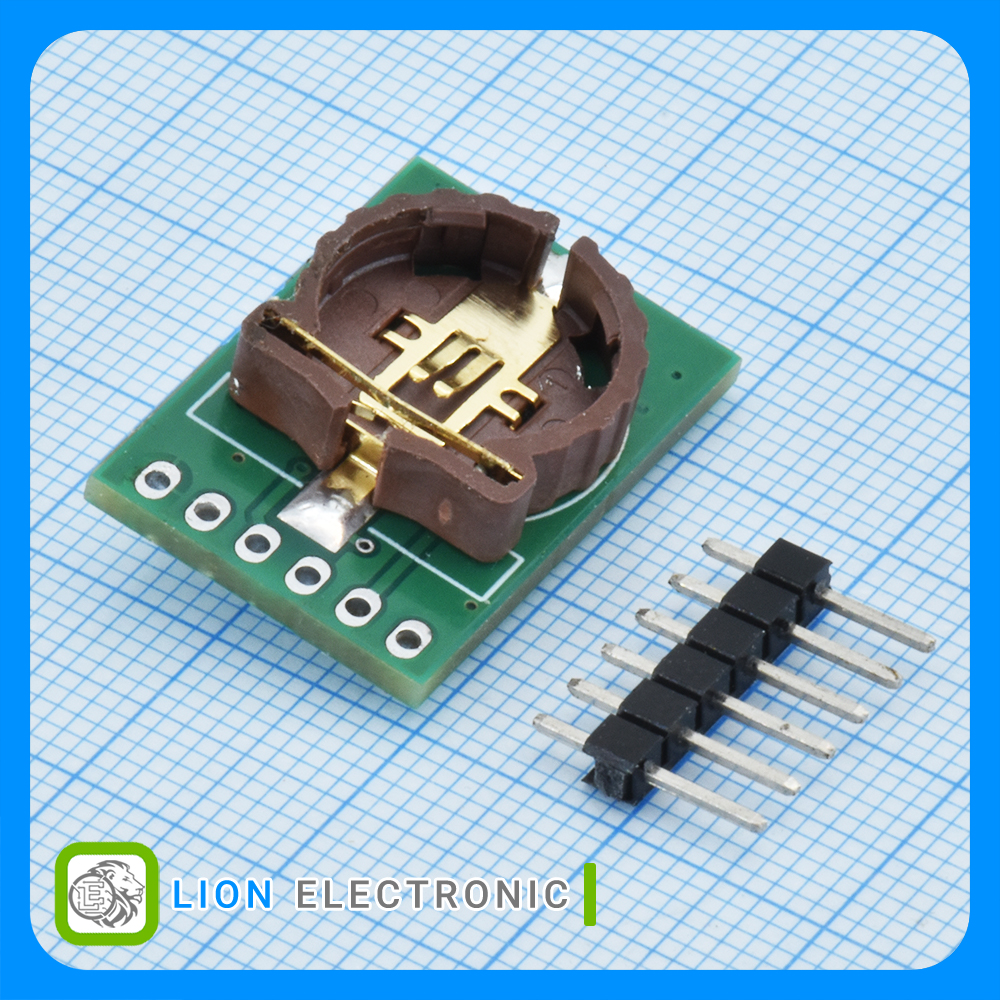
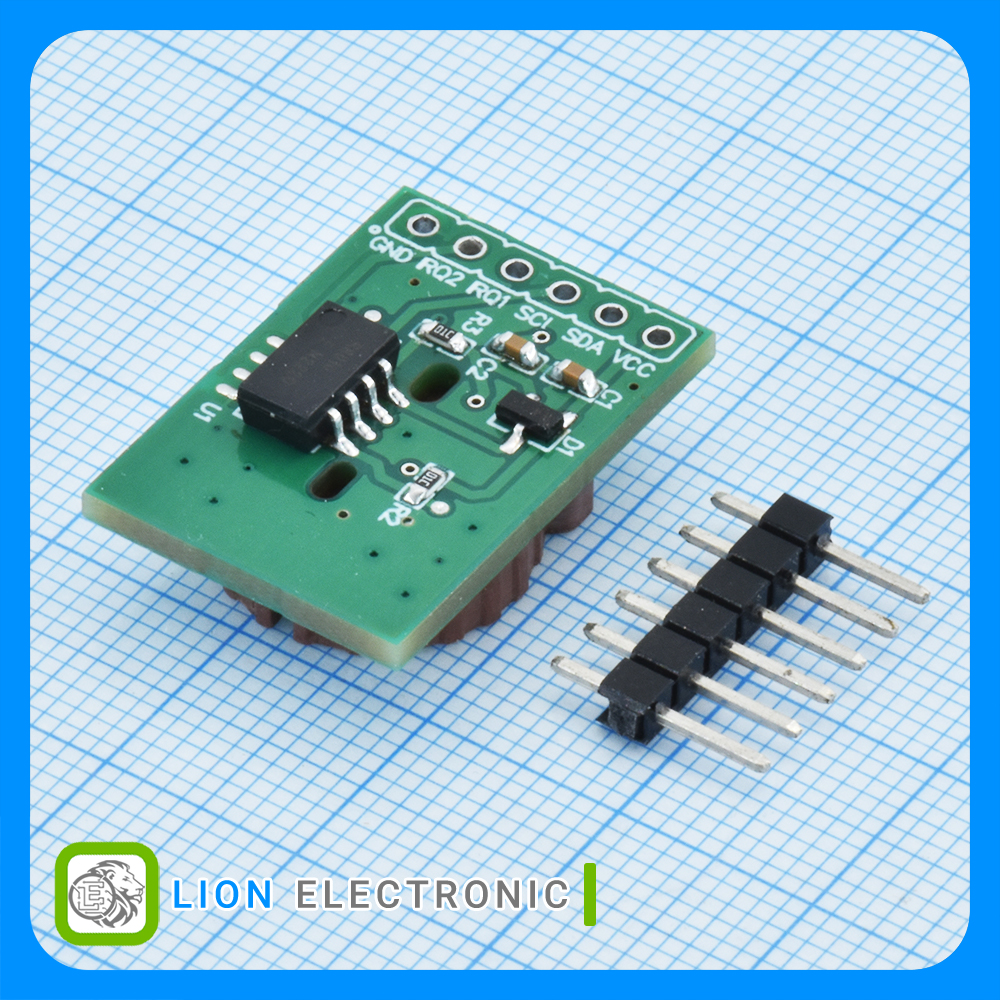
 ماژول RTC مبتنی بر تراشه RX8010 با کریستال داخلی و رابط I2C
RTC module based on RX8010 chip with built-in crystal, I2C interface
Comparison to Other Products
Choosing an RTC module involves more than comparing specifications. Ease of integration, software support, and clear documentation are equally important when moving from a prototype to a finished design.
Our RX8010-based RTC module combines an Epson real-time clock with a built-in crystal, breadboard and PCB compatibility, and a software library available on GitHub. It is a practical choice for student projects, embedded development, and integration into industrial designs where its specifications meet the application’s requirements.
Feature Comparison
The following table compares our module with typical DS1307- and DS3231-based alternatives. Board-level features may vary between manufacturers.
| Typical DS3231-Based Modules | Typical DS1307-Based Modules | Our RX8010-Based Module | Feature |
| Analog Devices / Maxim Integrated | Analog Devices / Maxim Integrated | Epson, an established Japanese manufacturer | RTC manufacturer |
| Built-in crystal | Requires an external 32.768 kHz crystal, usually fitted on the module | Built-in 32.768 kHz crystal; no external crystal required | Crystal configuration |
| Built-in temperature-compensated oscillator | No built-in temperature compensation | No built-in temperature compensation | Temperature compensation |
| Specified accuracy across temperature ranges thanks to temperature compensation | Accuracy depends on the external crystal, PCB layout, and operating conditions | Factory-adjusted crystal; accuracy remains temperature-dependent | Timekeeping considerations |
| Up to 400 kHz | Up to 100 kHz | Up to 400 kHz | I²C interface speed |
| Depends on the module’s physical design | Depends on the module’s physical design | Designed for use on both breadboards and PCBs | Prototyping and PCB integration |
| Libraries widely available; vendor support varies | Libraries widely available; vendor support varies | Dedicated library available on GitHub | Software support |
| Depends on the supplier | Depends on the supplier | Module datasheet includes pinout and connection information | Documentation |
Why Choose RX8010 Module?
Epson RTC Technology
At the heart of the module is the RX8010 from Epson, an established Japanese manufacturer of timing components. This provides a well-documented foundation for designs that require real-time clock functionality.
Built-In Crystal for Simpler Integration
The RX8010 integrates its 32.768 kHz crystal inside the package, eliminating the need to select, place, and route an external RTC crystal.
This simplifies the oscillator section of the design and reduces dependence on external crystal layout. It does not, however, replace proper power-supply design or system-level noise testing.
From Breadboard to PCB
The module supports both breadboard prototyping and PCB integration, making it useful throughout development—from initial experiments and coursework to custom embedded hardware.
Software Library Available on GitHub
A dedicated software library is available on GitHub to help you integrate the module without implementing every low-level register operation from scratch. You can review the implementation before purchase and use it as a reference during development.
Clear Hardware Documentation
The module datasheet includes its pinout and connection information, helping you understand the hardware interface and plan your connections before installation.
Suitable Applications
- Student projects and electronics coursework
- Embedded-system prototyping
- Timestamping in data loggers
- Scheduled monitoring and control
- IoT devices requiring local timekeeping
- Industrial equipment, subject to application-specific validation
Choosing the Right RTC for Your Project
Choose RX8010 module if you value an integrated crystal, flexible hardware integration, and dedicated software and documentation
A DS1307-based module may suit a basic design already built around that device. A DS3231-based module is worth considering when temperature-compensated timekeeping accuracy is a primary requirement.
Our focus is straightforward: an easy-to-integrate Epson-based RTC module that supports your project from initial prototyping to PCB integration.